
Restaurant operators in 2026 are navigating margin pressure, shifting guest expectations, and increasingly complex front‑ and back‑of‑house operations. Industry research shows that the most successful restaurants are leaning heavily on cloud‑based, integrated POS platforms that offer reliability, flexibility, and operational clarity across locations. [scoop.market.us]
A central theme from industry leaders is the need to pair value and experience—and modern technology is now the backbone of delivering both.
“Growth will come from restaurant operators finding the balance of value and experience for consumers, and innovating breakthrough efficiency in their operations.”
— Michelle Korsmo, President & CEO, National Restaurant Association [taptouchpos.com]
Below are the restaurant POS features that matter most in 2026, based on published research, industry forecasts, and operator priorities.
1. Cloud‑Native Reliability & Remote Management
Cloud-based POS systems have firmly become the industry standard thanks to their stability, lower overhead, and centralized control. The North American cloud POS market continues to grow rapidly, driven by restaurants seeking remote access, simplified updates, and multi‑location oversight. [andnowuknow.com]
What operators need:
- Centralized menu, pricing, and location management
- Automatic software updates without downtime
- Strong uptime and continuity protection during network issues
- Consistent reporting across all venues
This shift reflects a broader hospitality trend: investing in systems that create consistent, reliable experiences, not just tools that execute transactions.
“It’s about delivering on expectations… consistency and reliability are what keep consumers coming back.”
— Michelle Korsmo, National Restaurant Association

2. Unified Multi‑Channel Order Management
Dine‑in, takeout, delivery, QR ordering, kiosks, and catering continue to coexist — and complexity is now standard. Research shows restaurants must funnel all channels into a single, unified platform to avoid errors, improve speed, and maintain accurate production pacing. [mckinsey.com]
Key capabilities for 2026:
- One consolidated order queue across all channels
- Seamless kitchen routing via KDS
- Integrated delivery and pickup management
- Accurate prep times and order status updates
This is increasingly crucial as delivery and off-premise dining remain core revenue drivers.
3. Open Integrations & Ecosystem Connectivity
In 2026, restaurants want fewer disconnected apps and more interoperability. The 2026 POS Software Trends Study found that 90% of restaurants identify improving integrations as their top POS priority. [mckinsey.com]
“The smartest investments are going toward systems that connect seamlessly and stand up to security scrutiny.”
— Robert Firpo‑Cappiello, Editor-in-Chief, Hospitality Technology [mckinsey.com]
Integrations operators expect:
- Delivery platforms
- Loyalty & CRM
- Scheduling & payroll
- Inventory & purchasing
- Payments, fraud tools, financial systems
Restaurants no longer evaluate POS as a standalone tool — it must be a hub for their entire operation.
4. Smart Inventory & Cost Management
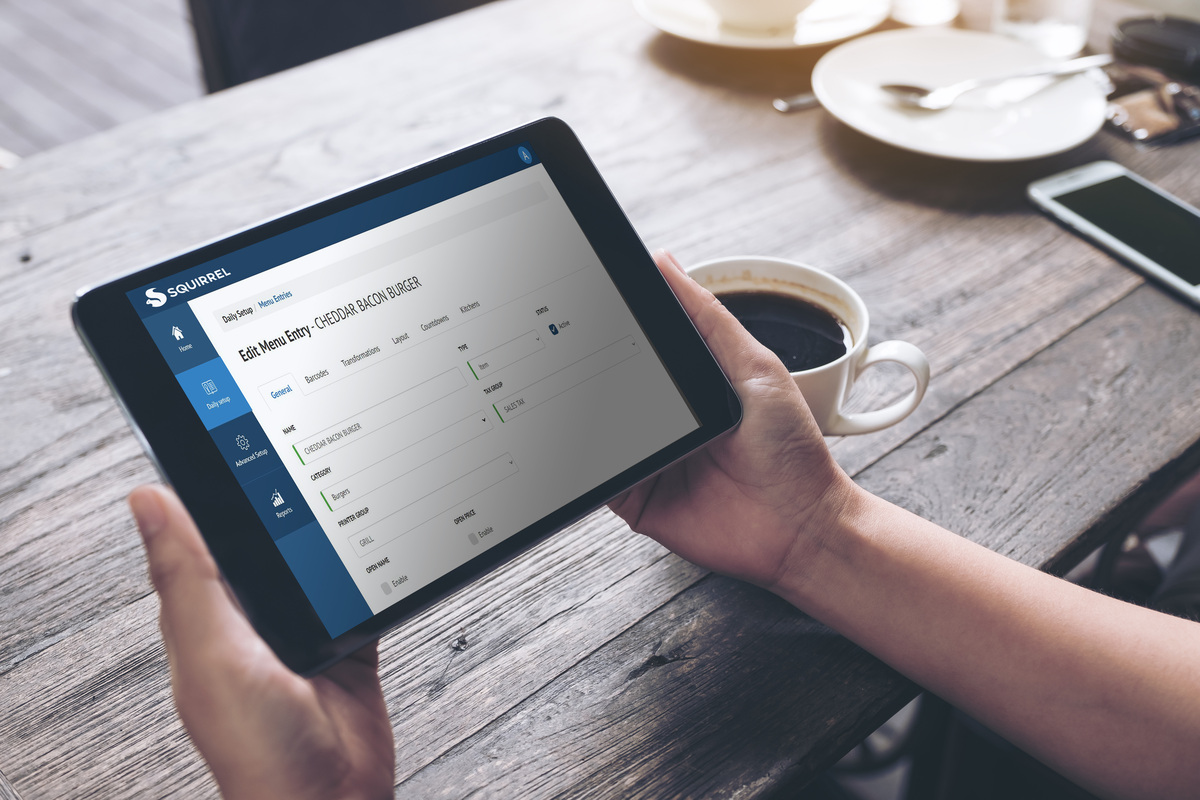
With ingredient and supply costs still fluctuating, operators rely on POS‑driven inventory to maintain margins. Reports show inventory management remains a top financial strain, prompting adoption of tools that reduce waste and tighten cost controls. [deloitte.wsj.com]
What matters most:
- Real‑time ingredient‑level deductions
- Theoretical vs. actual variance reporting
- Low‑stock and forecasted depletion alerts
- Streamlined purchasing tied to sales patterns
By connecting inventory with live sales data, restaurants gain much tighter control over food cost and waste.
5. Mobile & Tableside Service (Handhelds and Line‑Busting)
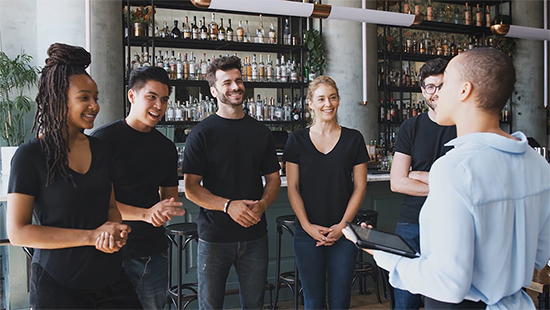
Hardware trends indicate a strong shift toward mobile, modular POS setups. Restaurants are expanding the use of handheld devices for tableside ordering, line‑busting, and outdoor service—improving speed and reducing bottlenecks. [my.idc.com]
Benefits driving adoption:
- Faster table turns
- Reduced order errors
- More flexible service models (patios, events, pop‑ups)
- Shorter lines during peak periods
This aligns with guest expectations for fast, frictionless service, especially for high‑volume concepts.
6. Contactless, Tap‑to‑Pay & Pay‑at‑Table
Contactless payments are no longer optional. Mastercard reported that contactless transactions accounted for more than 75% of its network’s transactions in 2025, reflecting the mainstreaming of tap‑to‑pay behavior. [forbes.com]
At the same time, Visa’s Tap to Phone technology has seen 200% year‑over‑year growth, allowing staff to accept secure payments using smartphones—ideal for mobile service. [hospitalit…ts.ehl.edu]
“Tap to Phone is a tech equalizer… from major retailers to farmers’ markets, everyone can accept payments right on a phone.”
— Mark Nelsen, Global Head of Consumer Products, Visa [hospitalit…ts.ehl.edu]
Expected features:
- Tap‑to‑pay and mobile wallet support
- Pay‑at‑table via handheld POS or QR
- Tokenized, secure payment processing
- Unified settlement and reconciliation across channels
Convenience, speed, and hygiene remain powerful guest drivers in payment choice.
7. Guest Experience Tools, Loyalty & Personalization
The National Restaurant Association’s 2025–2026 outlook highlights that consumers value experience as much as price, and operators need tools that build repeat visits and make service feel personal. [taptouchpos.com]
Loyalty programs, in particular, continue to influence traffic: 70% of operators report increased visits tied to loyalty participation. [taptouchpos.com]
What operators look for:
- Integrated loyalty and CRM
- Trackable guest profiles and visit history
- Targeted promotions tied to behavior
- Clear menu labeling and allergen details (a rising 2026 consumer demand) [qsspos.com]
Guests want recognition, transparency, and ease — modern POS platforms must enable this directly.
Conclusion: The 2026 Restaurant POS Playbook
Across all research and executive insights, the POS capabilities that matter most in 2026 revolve around:
- Cloud reliability and remote control
- Unified ordering across all channels
- Deep, secure integrations
- Smart cost and inventory management
- Mobile-first service tools
- Contactless, seamless payments
- Guest-centric loyalty and experience features
These are not trends—they are the operational baselines restaurants now need to compete, grow, and differentiate.